Why Smart People Fall for Scams: The Psychology Behind Successful Scams
Understanding the psychological tactics scammers use to bypass defenses—regardless of intelligence or experience.
Intelligence doesn't protect you from scams. Education doesn't either. Neither does experience in tech, finance, or security.
LinkedIn scams, Telegram scams, fake job offers, and recruiter scams work because they exploit universal human psychology—not lack of knowledge. Understanding how scammers manipulate decision-making can help anyone recognize when they're being targeted.
TL;DR
- Scams work by triggering urgency, authority, and emotions—not by fooling "dumb" people
- Smart people fall because their brain takes shortcuts under pressure
- If a message rushes you or asks you to move platforms (WhatsApp/Telegram), it's a red flag
- Always verify outside the chat: company site, real employees, official emails
- Use a "second brain" tool, before you reply.
The Myth of "It Won't Happen to Me"
Most people believe they're too smart or too careful to fall for a scam. This confidence is exactly what scammers rely on.
You think:
"I'll just reply to be polite."
"I Googled the company and it looks legit."
"I'll just see what they want."
Sound familiar?
These are the exact moments when scams succeed.
When you believe you're immune, you:
- Lower your guard with "obvious" red flags
- Trust your gut instead of verifying facts
- Skip basic checks because "this one feels different"
Overconfidence is one of the biggest vulnerabilities scammers exploit in job scams, investment scams, and phishing attempts.
Cognitive Biases Scammers Target
Scammers don't need to be smarter than you. They just need to understand how your brain makes decisions under pressure.
Some people now use a second brain—tools that check messages before they reply. More on that later.
First, here's what scammers are counting on.
Authority Bias
People tend to trust and obey figures of authority without questioning them.
Real moment:
A LinkedIn message says "Senior Recruiter at Google" and includes a company logo. Your brain thinks: "They work at Google, this must be real."
You reply immediately.
Scammers exploit authority by:
- Impersonating recruiters from well-known companies
- Using professional language and job titles
- Referencing real people or departments
- Creating official-looking documents
When someone appears to be in a position of authority, your brain defaults to compliance rather than skepticism. This is how fake job offers and recruiter scams bypass even experienced professionals.
Scarcity Effect
Limited availability triggers fear of missing out.
Real moment:
You see "Only 2 spots remaining" or "Offer closes tonight" and think: "I don't want to miss this."
You act fast without checking.
Common scarcity tactics in fake job offers and crypto scams:
- "Only 3 positions left"
- "Offer expires in 24 hours"
- "Last chance to invest"
Scarcity creates urgency, which reduces careful thinking. Your brain shifts from "should I do this?" to "how fast can I act?"
Social Proof
We look to others to validate our decisions.
Real moment:
You see a Telegram group with 5,000 members and screenshots of people making money. You think: "All these people can't be wrong."
You send the crypto payment.
Scammers manufacture social proof in Telegram scams and investment schemes through:
- Fake testimonials and success stories
- Bots posting positive comments in groups
- Screenshots of "earnings" or "offers"
- Claims that "hundreds have already joined"
If it looks like others are benefiting, your brain assumes it must be safe.
Reciprocity
When someone does something for you, you feel obligated to return the favor.
Real moment:
A "recruiter" spends 20 minutes answering your questions about the role. You think: "They've been so helpful, I should at least try what they're asking."
You download the file or fill out the form.
Scammers use reciprocity in freelancer scams and job scams by:
- Offering "free" advice or insider tips
- Providing small amounts of information upfront
- Acting helpful before making requests
Once you feel indebted, saying no becomes psychologically harder.
Emotional Triggers That Override Logic
Scammers don't just target your thinking—they target your emotions.
Fear
Real moment:
"Your account has been compromised—verify now or lose access."
You panic and click the link immediately.
Fear shuts down rational thinking and triggers immediate action in phishing scams and fake security alerts.
Greed
Real moment:
"Guaranteed 20% monthly returns. My clients are already making $10k/month."
You think: "What if this is real? I can't afford to miss this."
The promise of easy money activates reward centers in the brain, making risk assessment harder. This is how crypto scams and investment schemes hook people.
Hope
Job seekers and freelancers hoping for better opportunities are especially vulnerable to fake job offers.
Real moment:
You've been job hunting for months. Someone offers exactly what you want:
- $120k salary
- Fully remote work
- Flexible hours
- Immediate start
You think: "Finally, something good is happening."
Hope makes people overlook inconsistencies they'd normally catch in recruiter scams.
Urgency
Time pressure prevents careful analysis.
Real moment:
"We need to fill this role by Friday. Can you start onboarding today?"
You think: "I better act now or they'll move on."
When you're rushed, you:
- Skip verification steps
- Ignore red flags
- Make decisions based on emotion rather than facts
Legitimate opportunities allow time for consideration. Fake hiring workflows and inbound DM scams don't.
How Scammers Build False Trust
Sophisticated recruiter impersonation and crypto group bait don't rush. They build relationships over time.
Gradual Escalation
Real moment:
Day 1: "Tell me about your background" Day 3: "Here's more about the company" Day 5: "Can you download this software for the interview?"
You think: "We've been talking for days, this feels legitimate."
Scammers start with small, reasonable requests:
- Asking about your experience
- Sharing company information
- Discussing the role in detail
Only after trust is established do they make suspicious requests. By then, you've already invested time and emotional energy.
Mirroring and Rapport
Real moment:
They respond at the same times you do. They use the same casual language. They even mention similar interests from your profile.
You think: "We really connect. This person gets me."
Scammers in fake job offers and freelancer scams adapt their communication style to match yours:
- Using similar language
- Responding at similar times
- Showing interest in your background
This creates a false sense of connection and familiarity.
Consistency and Professionalism
Real moment:
Perfect grammar. Proper email signature. Detailed answers to every question. Multiple check-ins over two weeks.
You think: "Scammers wouldn't put in this much effort."
Well-executed job scams and investment scams maintain consistency:
- Professional email signatures
- Proper grammar and formatting
- Detailed responses to questions
- Multiple touchpoints over days or weeks
The more professional it looks, the easier it is to trust.
The Shame Factor
One reason scams continue to work is that victims often don't report them.
Shame prevents people from:
- Warning others
- Seeking help
- Reporting to authorities
- Sharing their experience
This silence allows scammers to continue using the same tactics on new victims.
Understanding that scams exploit psychology—not stupidity—helps reduce this shame and encourages reporting.
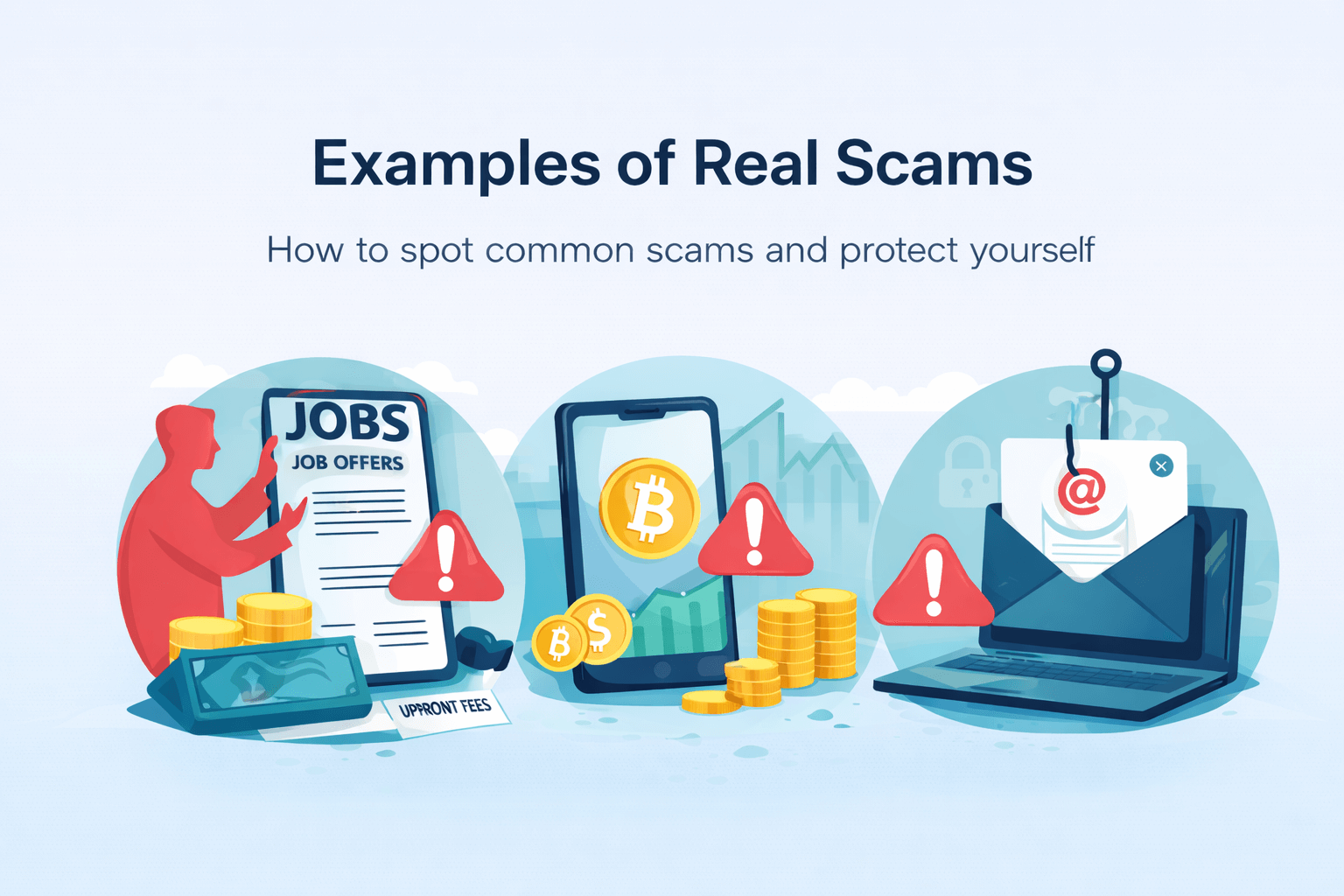
Real Examples of Sophisticated Scams
The Patient Recruiter (LinkedIn Scam)
What happens:
A scammer contacts you on LinkedIn with a legitimate-looking profile. They discuss a role over several days, answer questions professionally, and even schedule a video call (which they cancel last minute with a reasonable excuse).
After a week of building trust, they ask you to purchase software for training or send documents via an unusual platform.
What you think:
"We've been talking for a week. I Googled the company. This is real."
By this point, the relationship feels real. The request seems like a minor step in an otherwise normal process.
Learn more about how scams work on LinkedIn and how to verify recruiters.
The Helpful Investor (Telegram/Crypto Scam)
What happens:
Someone reaches out on Telegram offering free crypto trading advice. They share tips that seem to work (using fake platforms or small initial returns). After building credibility, they suggest a "bigger opportunity" requiring an upfront investment.
What you think:
"They helped me make money already. Why would they scam me now?"
The gradual trust-building makes the final ask feel safer than it is.
Learn more about Telegram crypto bait patterns.
Legit Opportunity vs Scam: Quick Checklist
Before you reply, check these signals:
Legit Opportunity
- Uses official company email (not Gmail/Yahoo)
- Allows time to think and research
- Has real interview steps (video calls, multiple rounds)
- Never asks for money upfront
- Company has verifiable employees on LinkedIn
- No pressure to move to WhatsApp/Telegram
Scam Warning Signs
- Rushes you to decide immediately
- Wants to move conversation to WhatsApp or Telegram
- Asks you to pay for training, equipment, or processing fees
- Requires downloading files or software early
- Interview happens only via chat, no video
- Offer comes after minimal or no real interview
When multiple red flags appear together, pause and verify before replying.
The Too-Good Job Offer
What happens:
You receive a message about a remote job with high pay and flexible hours. The "company" has a website. The job description looks professional.
They want to "move fast" and suggest:
- Moving the conversation to WhatsApp or Telegram
- Having the "interview" via chat only (no video call)
- Paying for training materials or equipment upfront
- Processing a check deposit for equipment (then asking you to send money back)
What you think:
"I've been looking for months. This is exactly what I need."
You don't notice there was no real interview process, just a quick chat, and an immediate offer.
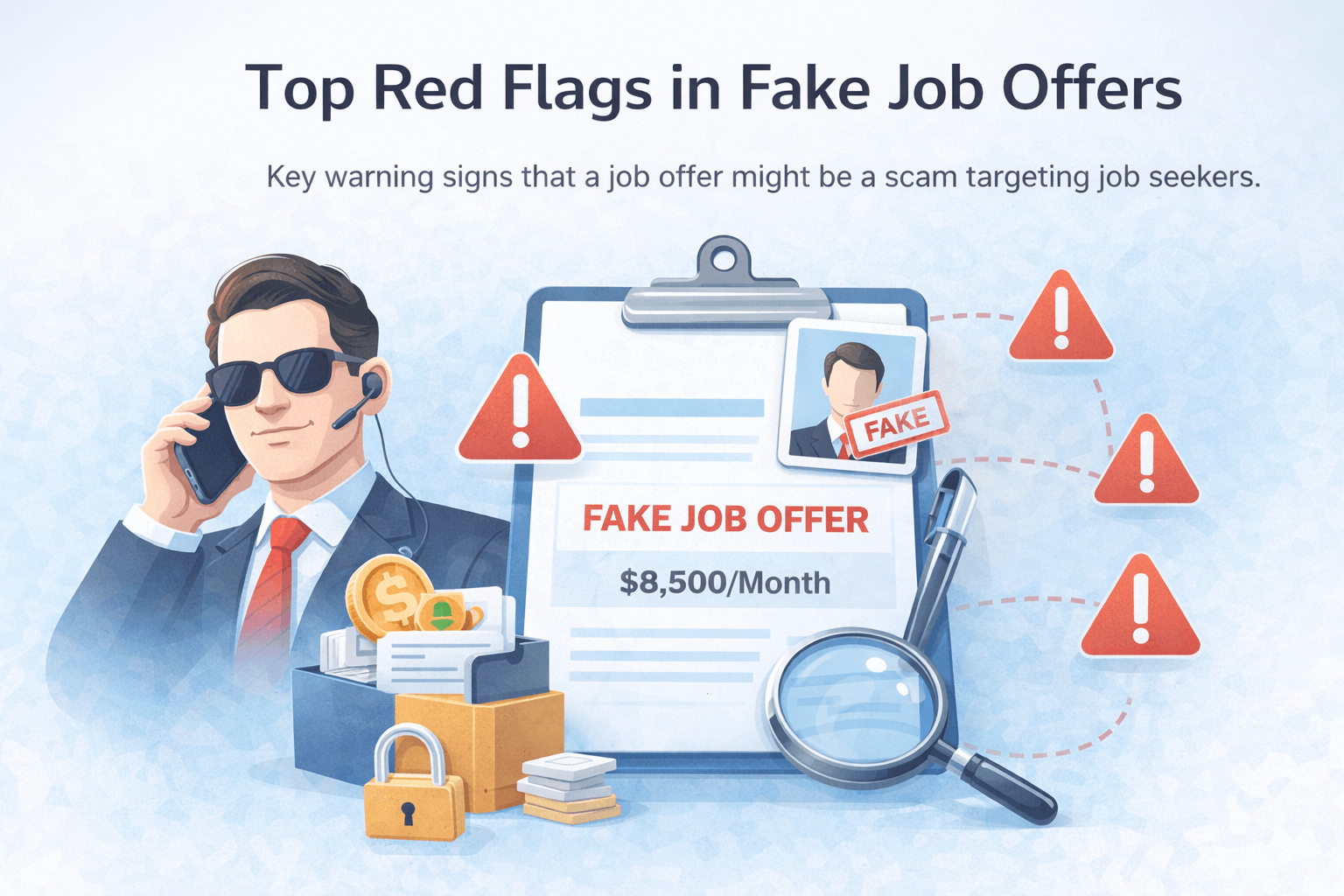
Learn more about top red flags in fake job offers.
How to Protect Yourself from Job Scams, Recruiter Scams, and Investment Schemes
Your brain will always be wired to trust, respond to authority, and feel urgency.
That's not going to change.
But you can add a second layer of protection.
Use a Second Brain Before You Reply
Your brain is great at many things — but under urgency, fear, or excitement, it cuts corners.
That’s where an external check helps.
Some people now run suspicious messages through tools that analyze common scam patterns objectively, without emotional bias.
DoubleCheck is one of those tools.
Before replying, downloading, paying, or moving the conversation to another platform, you can quickly scan the message and see whether it matches known scam behaviors.
It takes a few seconds, but it gives you distance — exactly when your instincts might be working against you.
It’s not about paranoia. It’s about pausing when something feels right — and checking anyway.
Other Habits That Help
- Slow down when feeling rushed
- Verify independently, even when you trust the source
- Question emotional reactions (fear, excitement, urgency)
- Recognize that professionalism doesn't equal legitimacy
- Never send money or sensitive information without verification
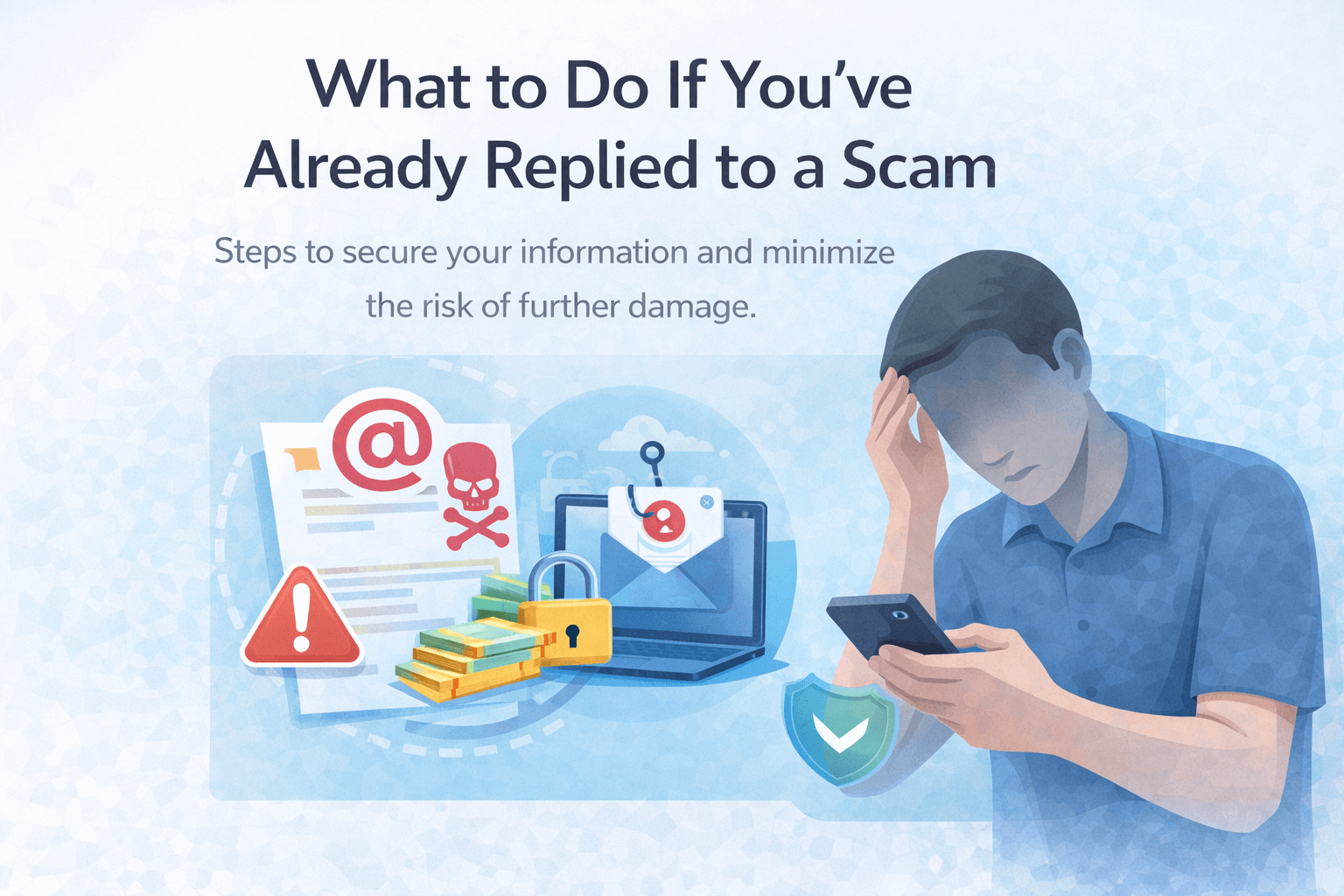
If you've already replied to something suspicious, read what to do if you've already replied to a scam.
Final Thoughts
Falling for a LinkedIn scam, fake job offer, or crypto scheme doesn't mean you're careless or naive. It means you encountered someone who understands human psychology and used it against you.
The best defense isn't intelligence—it's awareness, verification, and the willingness to pause even when everything feels right.
Before replying, before downloading, before paying, or before moving platforms—run the message through DoubleCheck.
It takes 5 seconds and can save you hours of damage control—or worse.
When in doubt, slow down. Check independently. And remember: if someone is rushing you, there's usually a reason.
Frequently Asked Questions
Can smart people really fall for scams?
Yes. Scams exploit psychology, not intelligence. Doctors, engineers, and security professionals all fall for scams because scammers trigger emotional responses (fear, urgency, hope) that bypass logical thinking.
How do recruiter scams usually start?
Most start with an unsolicited LinkedIn or email message about a "perfect opportunity." They build trust over days with professional communication, then ask you to move to WhatsApp/Telegram, download files, or pay for training materials.
Is it safe to move to Telegram or WhatsApp for job discussions?
No. Legitimate recruiters stay on official platforms (company email, LinkedIn) early in the process. Moving to Telegram or WhatsApp is a major red flag—scammers do this to avoid platform moderation and reporting.
What should I do if I already replied to a suspicious message?
Stop engaging immediately. Don't click links or download files. If you shared personal information, monitor your accounts. If you sent money, contact your bank and report it as fraud. Read our guide on what to do if you've already replied to a scam.